
Choosing the best rural internet can be frustrating—especially when comparing HomeFi vs Starlink. Slow speeds, unreliable connections, limited options, and high costs make it hard to know what will actually work where you live.
When comparing HomeFi vs Starlink, most people are dealing with:
- weak or inconsistent signal
- constant buffering or dropped connections
- expensive internet options with complicated setup
- uncertainty about what will actually work in their area
HomeFi vs Starlink comes down to one question: which one is actually better?
Short answer: Starlink is better for rural areas—but it’s much more expensive. HomeFi is the better value if you have strong signal.
If you want a deeper breakdown of features, real-world performance, and whether it’s the right fit for your setup, check out our full HomeFi internet review.
Starlink is built for extreme rural areas and can deliver strong performance, but it comes with a higher cost and requires installation. HomeFi internet offers a simpler, more affordable option that can work well if your signal is strong enough.
The real difference comes down to your location and signal strength. In this comparison, we’ll break down which option makes the most sense—and whether you actually need satellite internet at all—or if HomeFi is the smarter choice.
This post contains affiliate links. If you purchase through them, we may earn a small commission at no extra cost to you.
Quickly check coverage, signal strength, and setup in your area.
Table of Contents
Performance in Rural Areas
HomeFi Performance
- Can deliver solid speeds for everyday use with strong signal
- Works well for streaming, browsing, and work
Starlink Performance
- Designed for extreme rural areas
- Provides consistent performance without relying on towers
What This Means for You
If you have:
- 2–4 bars of signal
- a stable phone connection
👉 HomeFi can handle most everyday needs
If your signal is weak:
👉 Starlink may be necessary—but at a higher cost
Bottom Line on Performance
Starlink is built for the most difficult conditions.
But HomeFi delivers the performance most users actually need—without the added cost and complexity.
Cost & Simplicity
When comparing HomeFi vs Starlink, cost is where the difference becomes very clear.
HomeFi Cost
- Lower cost to get started
- No installation or equipment setup
- Flexible plans
👉 Simple and affordable
Starlink Cost
- High upfront equipment cost
- Higher monthly service fee
- Requires setup and installation
👉 More expensive overall
What This Means for You
With Starlink, you’re paying for:
- satellite equipment
- installation and setup
- higher monthly service
👉 For many users, that’s more than you actually need
With HomeFi:
- no installation
- no complicated setup
- lower cost to get started
👉 You can be up and running in minutes
Bottom Line on Cost
Starlink delivers strong performance—but at a much higher cost.
HomeFi offers a simpler, more affordable way to get reliable internet without the upfront investment.
For a broader look at how HomeFi compares to other options, see our guide to the best internet for rural areas.
How We Compared HomeFi vs Starlink
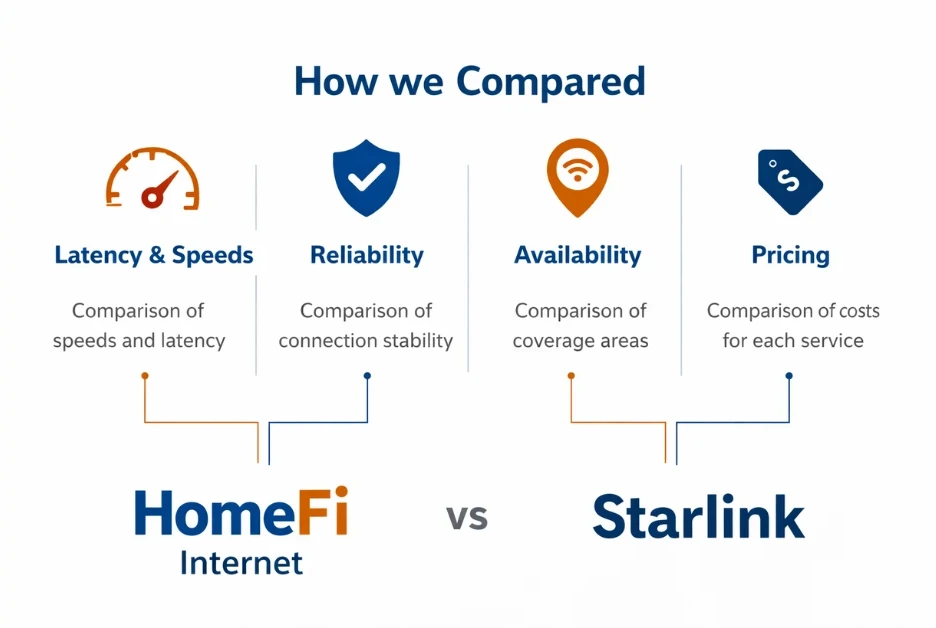
To compare HomeFi vs Starlink, we focused on what actually matters for rural internet:
- real-world performance based on location and signal strength
- total cost, including upfront equipment and monthly pricing
- ease of setup and day-to-day usability
- reliability for typical home internet use
The goal wasn’t just to find the fastest option—but the one that makes the most sense for most users.
What We Found
The biggest difference between HomeFi vs Starlink comes down to your situation.
- Starlink performs better in areas with weak or no signal
- HomeFi performs well when you already have usable cellular coverage
👉 In other words:
Starlink is built for extreme rural conditions.
HomeFi is designed for practical, everyday internet use at a lower cost.
For many users, that means:
👉 If your signal is strong enough, HomeFi can deliver everything you need without the extra cost and setup of satellite internet.
Pros and Cons Comparison
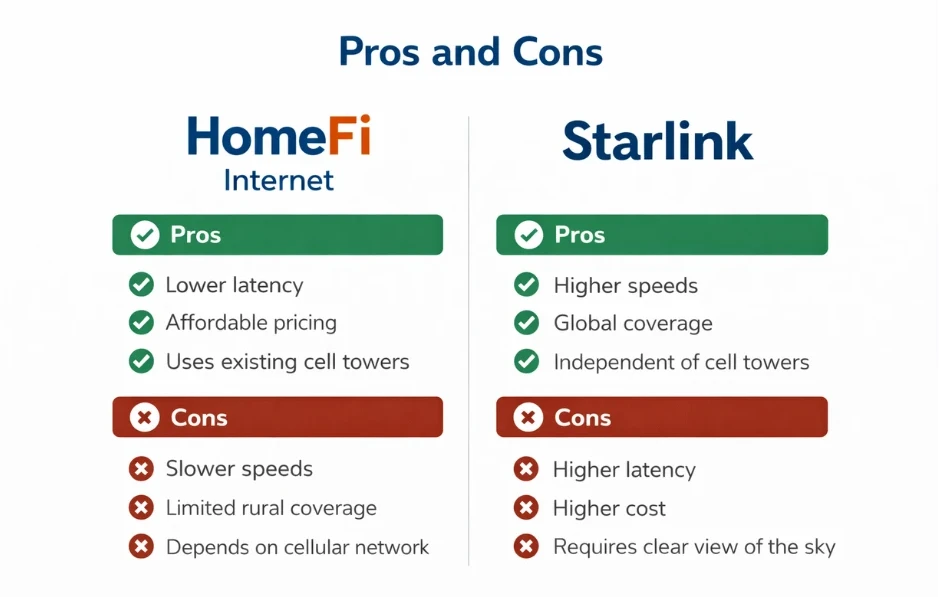
HomeFi Pros
- Simple plug-and-play setup with no installation
- Lower upfront cost and flexible plans
- Portable and easy to move
- Works well for everyday use like streaming and browsing
HomeFi Cons
- Speeds vary by location and signal strength
- Can slow down during peak hours
- Not ideal for heavy gaming or high-demand households
Starlink Pros
- Works in areas with little to no cellular signal
- More consistent performance in remote locations
- Fast speeds with no reliance on local towers
Starlink Cons
- High upfront equipment cost
- Requires setup and clear sky visibility
- Performance can be affected by weather or obstructions
Bottom Line
HomeFi is easier, more affordable, and works well for most everyday needs.
Starlink is more powerful—but mainly necessary in areas where other options don’t work.
Why You Might Not Need Starlink
Starlink is a powerful option—but for many users, it’s more than you actually need.
If you already have:
- 2–4 bars of signal
- a stable phone connection
- consistent data speeds
👉 You may not need satellite internet at all
HomeFi can handle:
- streaming
- browsing
- remote work
- everyday internet use
without the high upfront cost or installation.
Starlink makes the most sense when:
- your signal is weak or nonexistent
- your connection constantly drops
- no reliable cellular options are available
👉 In those cases, the extra cost can be worth it—but not for everyone.
Bottom Line
Starlink is designed for situations where other options fail.
If your signal is strong enough, you may not need satellite internet at all—see how it performs in our full HomeFi review.
Who Should Choose HomeFi vs Starlink
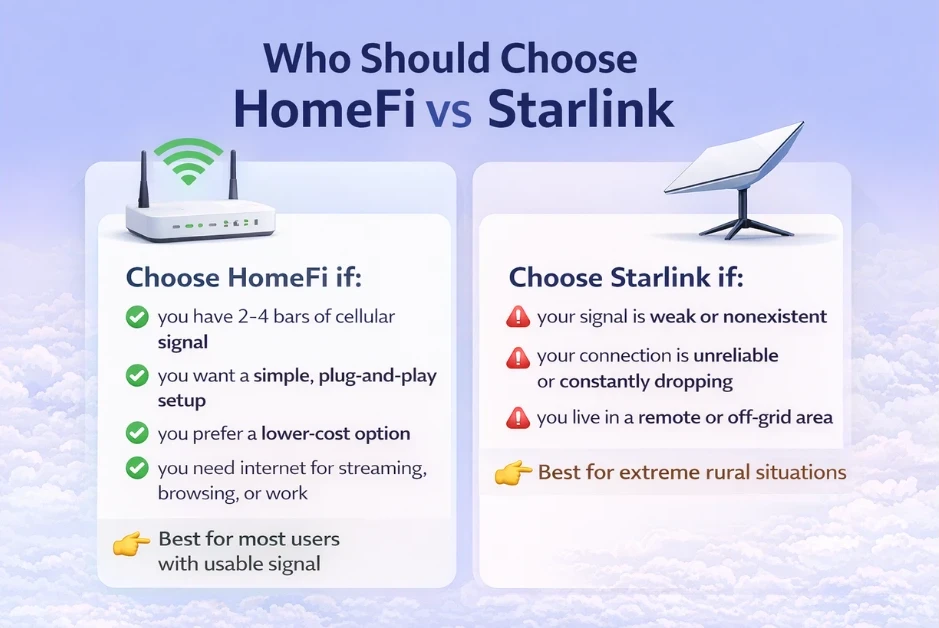
Choose HomeFi if:
- you have 2–4 bars of cellular signal
- you want a simple, plug-and-play setup
- you prefer a lower-cost option
- you need internet for streaming, browsing, or work
👉 Best for most users with usable signal
Choose Starlink if:
- your signal is weak or nonexistent
- your connection is unreliable or constantly dropping
- you live in a remote or off-grid area
👉 Best for extreme rural situations
HomeFi vs Starlink: Frequently Asked Questions
Is HomeFi better than Starlink?
HomeFi is the better choice if you have strong cellular signal and want a lower-cost, simple setup. Starlink performs better in areas with weak or no signal.
Does HomeFi work in rural areas?
Yes, HomeFi can work well in rural areas if your signal is strong enough. Performance depends on local tower coverage and signal strength.
Is Starlink worth it for rural internet?
Starlink is worth it if you have poor or no cellular signal. If your signal is decent, many users won’t need the extra cost.
How fast is HomeFi internet?
HomeFi internet speeds vary by location, but with a strong signal, it can handle streaming, browsing, and everyday use.
Can HomeFi replace Starlink?
Yes, but only in areas with reliable cellular coverage. If your signal is weak, Starlink will be the more consistent option.
ReviewMerit Verdict

Yes—Starlink is the better option for extreme rural areas with little to no signal.
But for most users, HomeFi is the smarter choice.
It delivers:
- lower cost to get started
- no installation or complicated setup
- reliable performance for everyday internet use
👉 If your signal is strong enough, there’s no need to pay for satellite internet you may not fully use.
HomeFi gives you a simpler, more practical way to stay connected—without the high cost and extra hassle.
Where to Get Started with HomeFi
If you have strong cellular signal, HomeFi is the simpler and more affordable option for rural internet.
Most users are surprised their signal is strong enough—making HomeFi an easy way to get reliable internet without the cost and setup of satellite service.
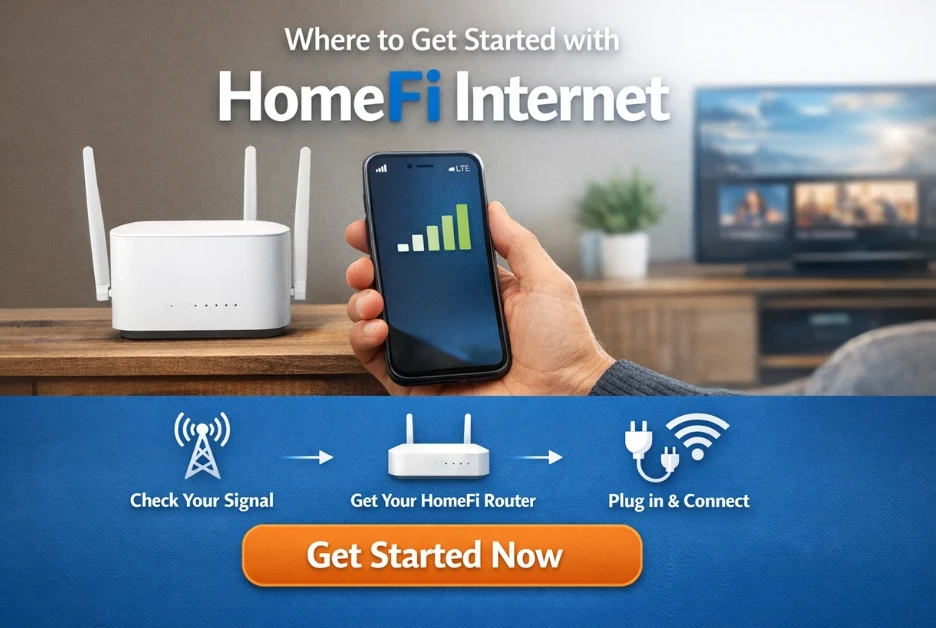
Skip the high cost and complicated setup—see if HomeFi works where you live.
Where to Get Started with Starlink
If you live in an area with weak or no cellular signal, Starlink may be the better option for reliable rural internet.
You can check availability and learn more directly through the official Starlink website.
It’s designed for locations where traditional and cellular-based options struggle, but it comes with higher upfront costs and required setup compared to simpler alternatives like HomeFi.
Final Thoughts
When it comes to HomeFi vs Starlink, the right choice comes down to what you actually need from your internet connection.
Starlink is built for extreme rural areas where other options don’t work.
HomeFi offers a simpler and more affordable solution.
It removes the need for:
- expensive equipment
- complicated installation
- higher monthly costs
👉 For many households, that’s the difference between overpaying for internet—and choosing a solution that fits your situation.
In the end, the smartest move is to start with the option that meets your needs without adding unnecessary cost or complexity.
Thanks for visiting, we look forward to your visit at ReviewMerit.com – Your Go-To Authority for Trusted Product Reviews